Contemplation in Moss: An Autumn Expedition Through Ancient Kyoto Temples
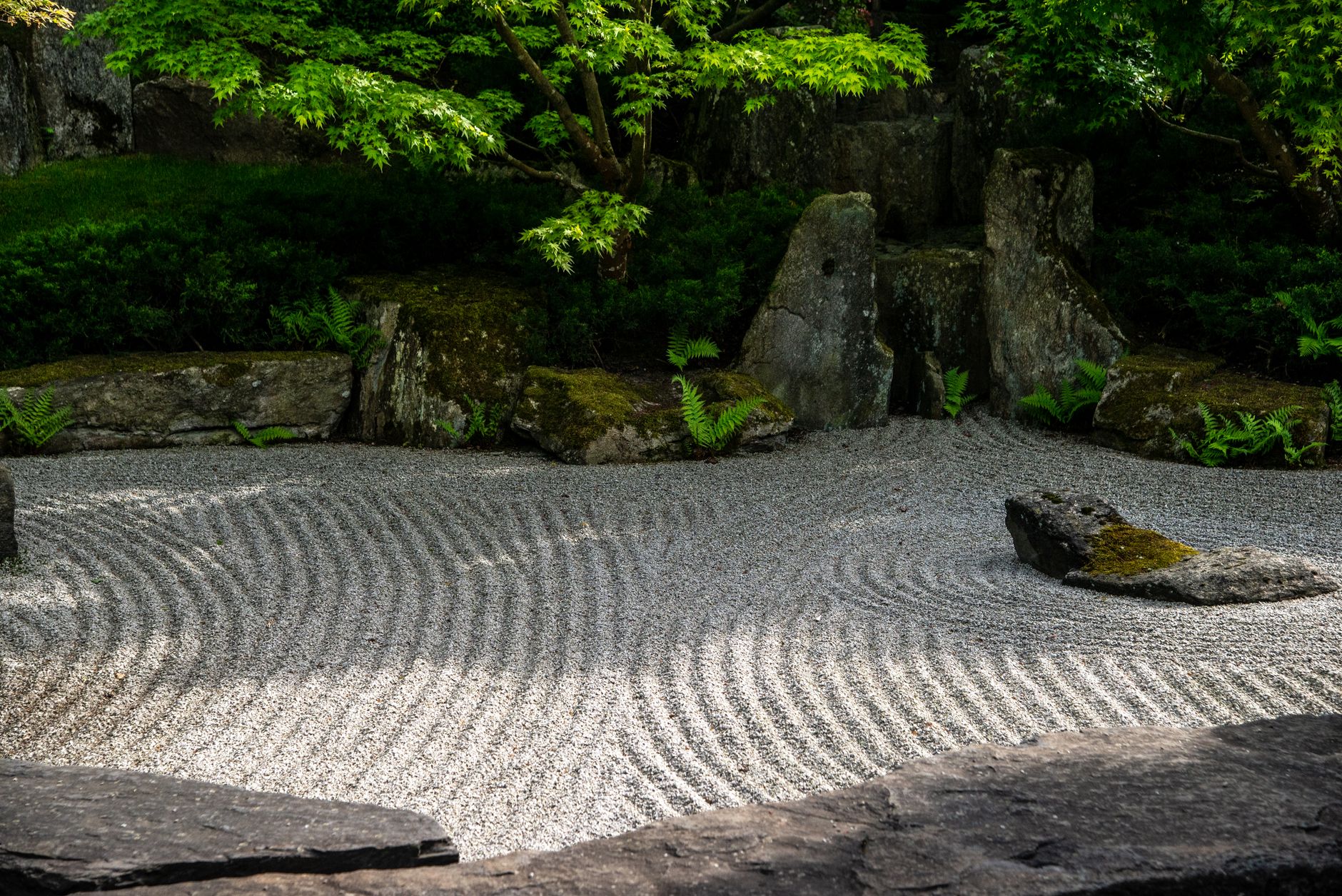
"In the Japanese garden, what is left unplaced speaks louder than what is constructed. Space is not void; it is pregnant silence waiting to be heard."
1. The Rakuhoku Foothills
Most visitors to Kyoto assemble tightly in Higashiyama or Gion. But take a local bus north toward the base of Mount Hiei, and the metropolis evaporates into damp bamboo groves, weeping maples, and the trickling sound of mountain streams diverted into wooden flumes.
Here lies Manshu-in and Shisen-do, temple compounds constructed during the Edo period by hermits, poets, and calligraphers who retreated from bureaucratic urban obligations. Sitting on tatami mats along the open wooden veranda (engawa), the garden before you behaves as an extension of the interior architecture.
2. The Raked Gravel and Sacred Moss
At Giou-ji in Arashiyama, forty distinct varieties of moss weave a vibrant green carpet beneath towering maples. In early morning mist, the moisture beadings on each tiny spore cluster reflect soft ambient light, transforming the forest floor into a velvet sea.
Monks rake the dry landscape gravel (karesansui) every morning before dawn. The swirling lines mimic oceanic surges around granite islands. This daily labor is not merely maintenance; it is an active meditation on impermanence. When a single red maple leaf drops onto the pristine grooves, it is not an error—it completes the composition.
“Do not look at the garden as a picture framed by wood. Breathe with it until the boundary between the veranda and the moss dissolves entirely.”
— Master Soun, Daitoku-ji Sub-temple3. The Philosophy of Tea
In nearby Uji, fourth-generation tea growers still shade their bushes with traditional reed screens (honzu) weeks before harvest to concentrate amino acids. Whisked with bamboo in a rustic raku bowl, fresh ceremonial matcha reveals no harsh bitterness, but rather an earthy sweetness reminiscent of steamed spring greens.
4. Etiquette & Timing
- Time of Day: Arrive at temple gates at 08:45 AM. The first thirty minutes after opening provide unbroken acoustic serenity before tourist coaches arrive.
- Attire: Always wear clean socks without holes; entering temple sanctuaries requires frequent removal of exterior footwear.
- Photography: Many interior halls housing ancient fusuma sliding doors strictly forbid photography to protect mineral pigments. Honor the signs graciously.
Seeking a Japanese Temple Pilgrimage?
Our curators coordinate private temple lodging (shukubo) and Zen meditation encounters across Kansai.
Begin Inquiries with 111111