The Heritage of Slow Living: Wandering Val d'Orcia on Foot
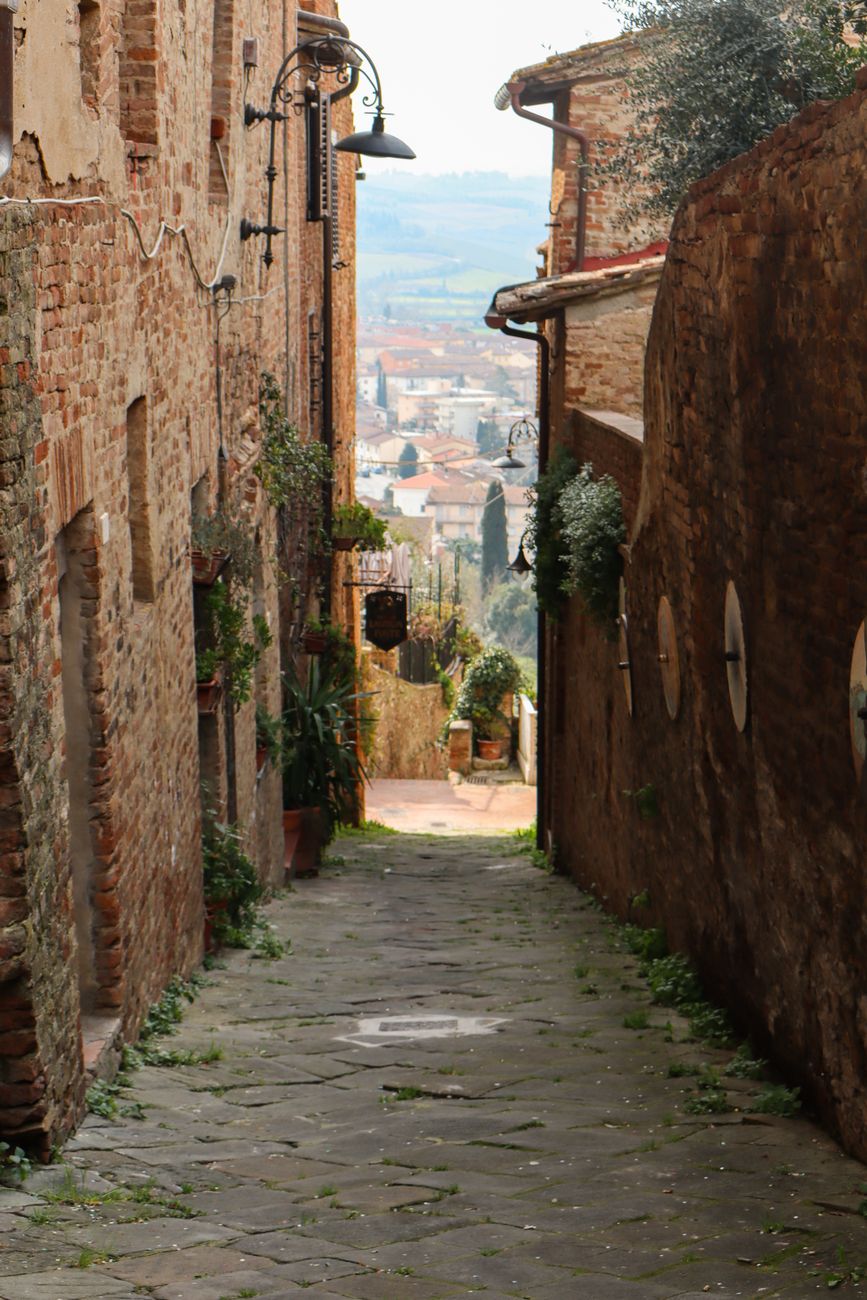
"To walk across Southern Tuscany is to understand that beauty here was not an accident of nature, but an intentional covenant forged over eight centuries between agrarian patience and Renaissance humanism."
1. The White Roads
At dawn in San Quirico d'Orcia, fog clings to the clay dips known locally as calanchi. The unpaved white gravel roads (strade bianche) crunch softly beneath hiking boots. Here, vehicular traffic is naturally minimized by topography and local decree, turning walking into the only sensible form of transportation.
Passing the famed cypress circle outside Torrenieri, the sensory shift is total. The scent of wild thyme crushed underfoot mixes with wood smoke curling from distant farmhouse chimneys. Unlike northern commuter hubs, the pacing of Val d'Orcia encourages stopping every half league simply to watch the golden light change angle over the wheat fields.
“A valley is not merely geometry; it is a repository of how hundreds of generations gathered firewood, sheared sheep, and baked hearth-bread under the shadow of Mount Amiata.”
— Marco Benocci, Agronomist in Castiglione d'Orcia2. Ancient Grains and Silent Stones
Our journey led us through the organic grain consortiums surrounding Monticchiello. Here, small-scale millers have abandoned industrial high-yield hybrids in favor of heritage Senatore Cappelli and Verna wheat. These deep-rooted varieties thrive in dry clay soil without artificial nitrogen amendments.
We stopped at an independent stone mill run by three siblings. The flour produced feels silky and cool to the palm, carrying an intoxicating perfume of toasted hazelnuts and sun-dried straw. It is transformed within hours into hand-rolled pici, served simply with fresh garlic, cold-pressed olive oil, and toasted breadcrumbs—peasant cooking elevated to sublime art.
3. Terroir of Pienza
Walking toward Pienza along the crest of the hills, the town appears like a stone jewel designed by Pope Pius II as the ideal Renaissance city. Yet beneath its balanced travertine piazzas lies an agricultural identity centered on pecorino cheese.
The sheep grazing on the chalky hill slopes feed on wild savory, viper's bugloss, and clover. Consequently, the raw ewe's milk requires no pasteurization to express subtle floral characteristics. Aged in walnut leaves inside tuff caves, the wheels develop complex rind aromas that have vanished from mass retail shelves across the continent.
4. Wayfarer Advice
- Season: Mid-October to late November provides crisp mornings, olive harvest excitement, and deep golden foliage without summer bus congestion.
- Footwear: Choose Vibram-soled hiking shoes; the limestone gravel and clay soils become slick after gentle autumn drizzles.
- Lodging: Base yourself in smaller agriturismi between Monticchiello and Pienza rather than bustling hotel centers.
Plan Your Journey With 111111
Our editors create detailed route dossiers with private grower visits and boutique stays for quiet travelers.
Consult With Our Curators